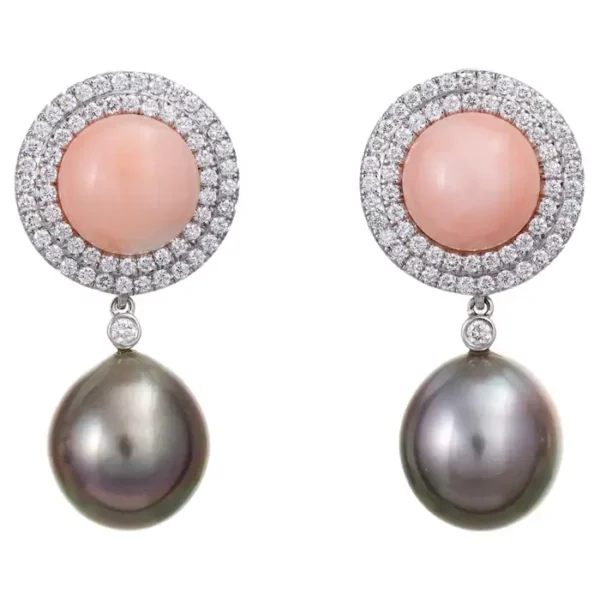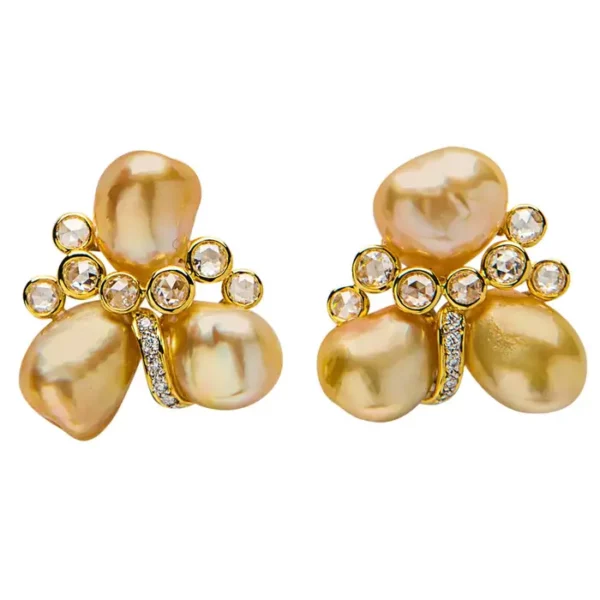
Salvador Assael is the son of James Assael, an Italian diamond merchant who fled to Cuba and then to the United States just before World War II began. While the war raged, James sold watches to the American military. Once the conflict ended, the army ceased purchasing from him, leaving him with unsold inventory. He eventually discovered a market for his timepieces in Japan, sending Salvador there in 1952. Frequently, Japanese buyers compensated Salvador with pearls rather than cash, capitalizing on Japan’s leadership in pearl cultivation at the time.
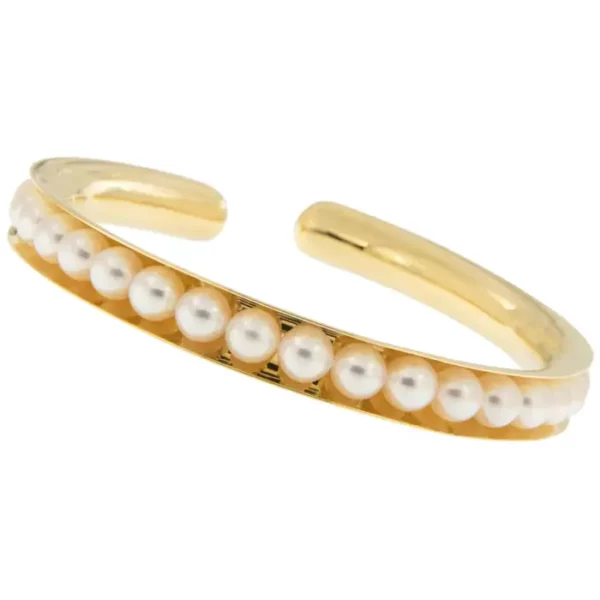
This marked the inception of the Assael pearl dynasty. In 1972, Salvador assumed control of his father’s enterprise, renaming it Assael International. During a gathering in Saint-Tropez, Jean-Claude introduced Salvador to the extraordinary black pearls of Polynesia, persuading him to partner in the venture.
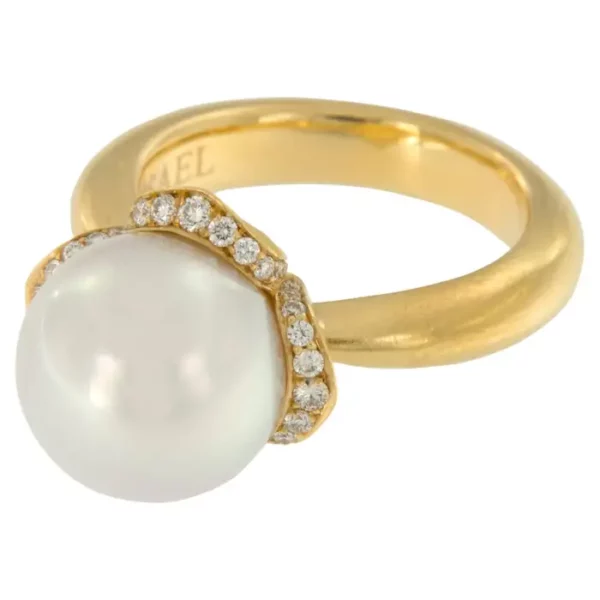
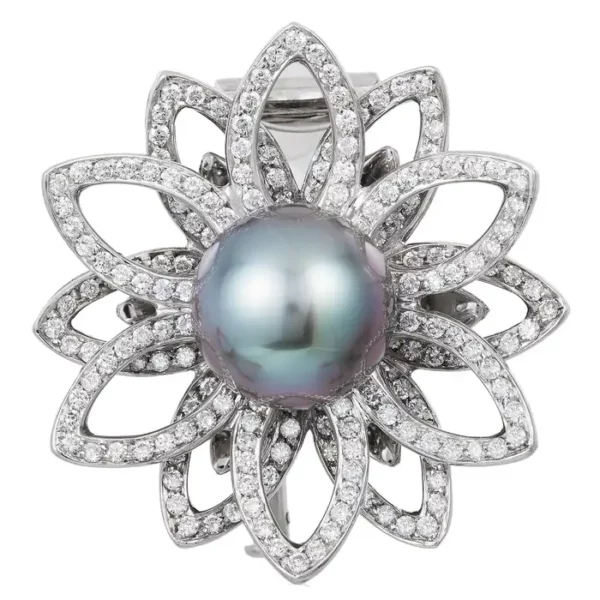
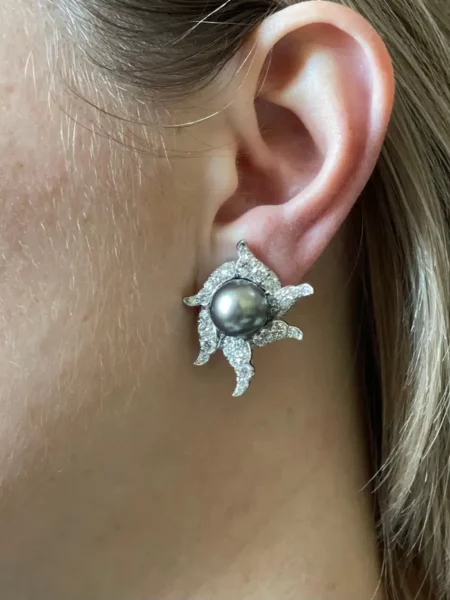
Skepticism surrounded the new pearl variety, with many suspecting the striking hue was artificially induced. However, Brouillet and Assael persisted. By 1976, Assael returned from Tahiti with premium selected pearls, crafting them into a stunning necklace. He enlisted his friend, renowned jeweler Harry Winston, to retail the piece at his Fifth Avenue New York location. Winston agreed, displaying the necklace in his window with a record-breaking price tag.
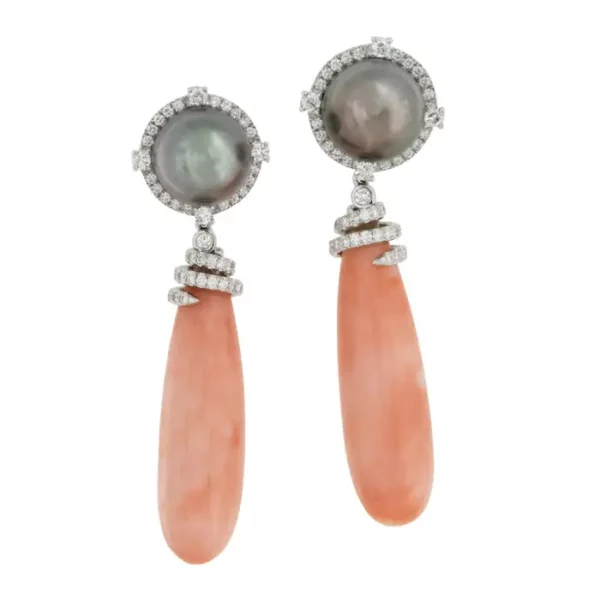
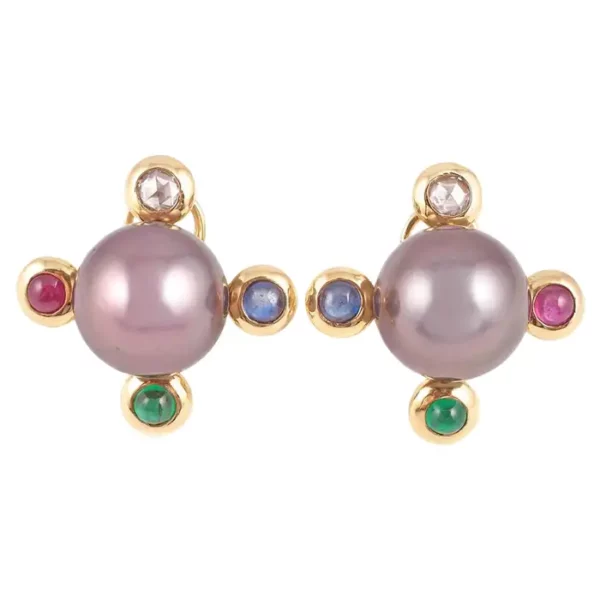
Concurrently, Assael launched a promotional push, featuring ads in top-tier magazines where images showcased the black pearl necklace gleaming alongside diamonds, emeralds, and rubies. That same year, the Gemological Institute of America certified the pearls, verifying their natural coloration and debunking claims of artificial dyeing. Slowly, the public began linking black pearls with supreme opulence, giving birth to a fashion trend for these unique gems.